EPITONI SAAS PLATFORM.
A cloud-native microservices platform bridging consumers and businesses through AI-powered personalization, real-time promotions, and multi-channel engagement — built for scale with a secure, enterprise-grade backend
THE
ARCHITECTURE
The core engine was architected using a Microservices pattern. Each functional domain—Identity, Data Orchestration, and Visualization—was encapsulated within its own Flask backend, allowing for independent scaling and deployment.
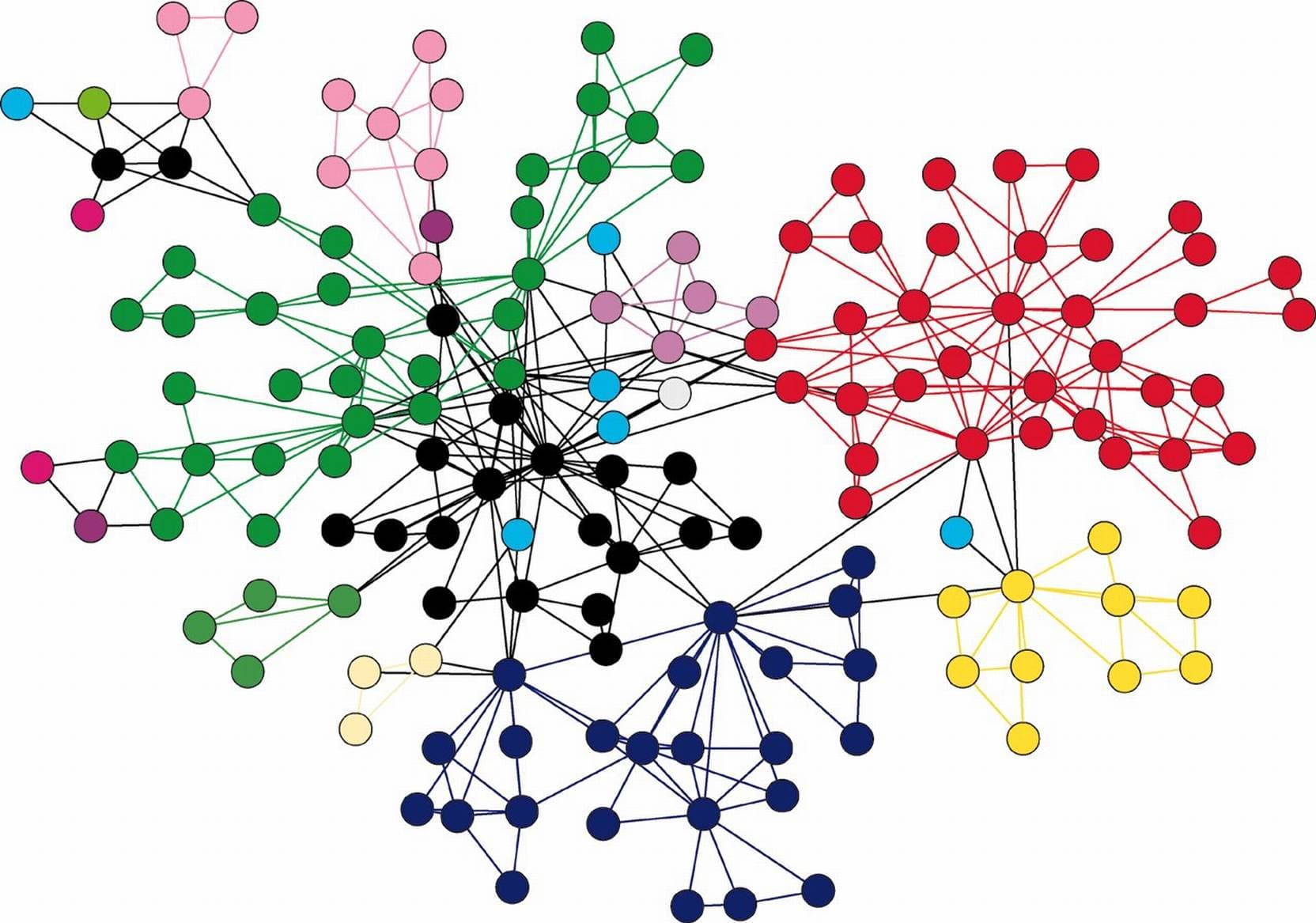
We leveraged Neo4j for managing complex, non-linear relationships between enterprise data entities, while Firestore served as our high-performance document store for real-time dashboard updates and collaboration.
Epitoni's personalization depends on a follow graph. A relational approach would require expensive multi-join queries to answer "what promotions are relevant to this user right now?" — Neo4j makes it a single Cypher traversal.
Main node types: (:User), (:Business), and (:Promotion).
Main relationships: FOLLOWS, LOCKED, and POSTED.
Only relationship-critical data lives in the graph. Full profiles and analytics stay in Firestore — keeping queries fast and the schema focused.
Key
Technical Decisions
INTERFACE GALLERY


TECHNICAL
CHALLENGES
01. Distributed Consistency
Maintaining transactional integrity across distributed Flask services required implementing a sophisticated Saga pattern, ensuring data stayed synchronized between Neo4j and our metadata caches.
02. Graph Query Optimization
Complex deep-path queries in Neo4j were initially causing high latency. We optimized Cypher queries and slashed response times by 30%.

IMPACT & METRICS